The Essential Benefits of Emulsifiers for Smooth and Stable Mixtures
Emulsifiers are essential in creating smooth and steady combinations throughout numerous sectors. They reduce surface area tension in between immiscible fluids, bring about improved structure and total sensory experiences. In food and cosmetics, their function extends beyond simple mixing; they likewise enhance life span and item integrity. Comprehending the kinds and applications of emulsifiers discloses their relevance in formulation processes. The subtleties of their efficiency warrant better exploration.
Comprehending Emulsifiers: The Scientific Research Behind the Blend
Although emulsifiers are commonly forgotten in daily cooking and food manufacturing, they play a crucial duty in maintaining combinations that would certainly or else divide. Emulsifiers are substances that decrease surface stress in between 2 immiscible fluids, such as oil and water. They possess both hydrophilic (water-attracting) and hydrophobic (water-repelling) residential properties, allowing them to interact with both phases. This special characteristic enables emulsifiers to form a secure user interface, preventing the separation of fats and liquids.
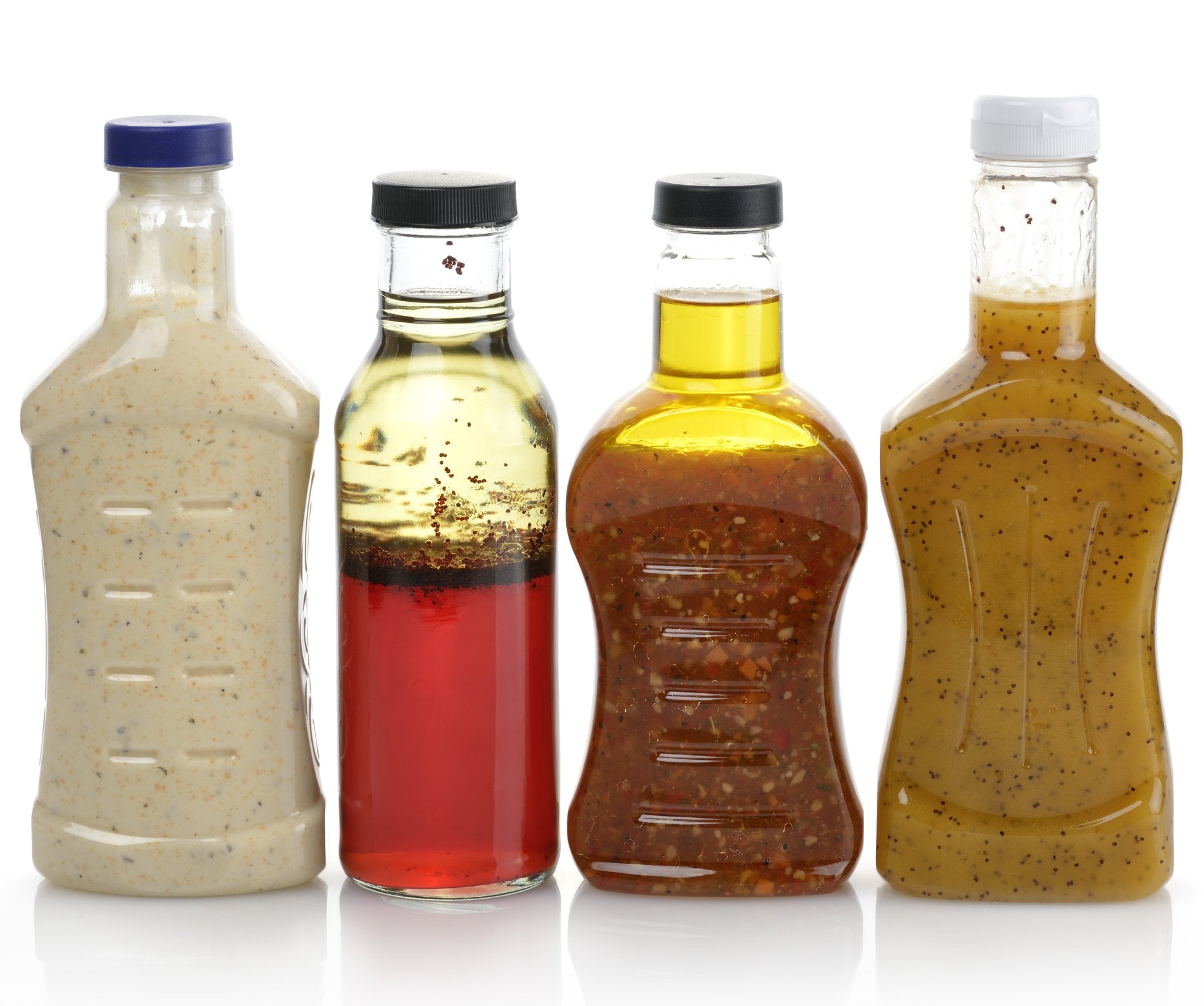
Typical copyrightples of emulsifiers consist of lecithin, typically derived from soybeans or eggs, and mono- and diglycerides. These substances produce an uniform texture in items like mayonnaise, salad dressings, and sauces. The science behind emulsifiers copyrights on their capacity to create a stable emulsion, which is essential for accomplishing preferable food top quality and service life. Recognizing the function of emulsifiers is vital for food scientists and culinary professionals going for consistent results.
Culinary Applications: Enhancing Taste and Appearance
Emulsifiers significantly boost cooking applications by boosting both flavor and structure in a range of food items (emulsifiers). They play a vital duty in creating secure solutions, which are essential for sauces, dressings, and mayonnaise. By enabling the even circulation of fats and water, emulsifiers ensure that tastes are well-blended and harmonious, improving the overall taste experience
In baked goods, emulsifiers add to a finer crumb structure and enhanced wetness retention, resulting in products that are soft and enticing. Additionally, they aid extend rack life by stopping separation and preserving quality.
In milk products, emulsifiers aid in creating smooth textures, necessary for items like gelato and cream cheese, where mouthfeel substantially affects customer satisfaction. On the whole, the usage of emulsifiers in culinary applications not only elevates flavor accounts but likewise improves the sensory experience of various food items, making them extra enjoyable and attractive.

Cosmetic Uses: Producing Luxurious Formulas
When creating aesthetic products, the inclusion of emulsifiers is important for attaining elegant and smooth structures. These agents assist in the blending of water and oil phases, producing stable solutions that improve product efficiency and individual experience. Emulsifiers not only enhance the consistency of lotions and lotions but additionally add to the overall sensory attributes, enabling for a more enjoyable application and really feel on the skin.
Additionally, emulsifiers play a vital function in the effective distribution of active components, ensuring that they continue to be evenly dispersed throughout the formulation. This uniform distribution enhances the item's effectiveness, providing targeted benefits such as hydration, anti-aging, and defense. The ideal emulsifier can give a desired viscosity, avoiding separation and maintaining product honesty over time. Inevitably, emulsifiers are important in establishing high-quality cosmetic formulations that fulfill customer expectations for luxury and performance.
Types of Emulsifiers: Artificial vs. all-natural
Comprehending the distinctions between artificial and all-natural emulsifiers is essential for formulators aiming to maximize cosmetic products. Natural emulsifiers, obtained from plant or animal sources, consist of active ingredients like lecithin, beeswax, and various gums. They are frequently favored for their skin-friendly buildings and biodegradability. Additionally, they can improve the sensory profile of formulations, providing a more appealing structure and feel.
On the other hand, synthetic emulsifiers are chemically engineered to produce certain capabilities and security. Typical copyrightples include polysorbates and stearic acid. These emulsifiers normally use remarkable performance concerning emulsification effectiveness and shelf-life stability. However, they might increase issues concerning skin sensitivity and environmental influence.
Ultimately, the option in between synthetic and all-natural emulsifiers depends on the desired item attributes, solution goals, and consumer preferences, highlighting the relevance of comprehending their one-of-a-kind properties. emulsifiers.
The Duty of Emulsifiers in Food Preservation
Tips for Using Emulsifiers Efficiently in Recipes and Products
When using emulsifiers in items and dishes, selecting the appropriate kind is vital for achieving preferred outcomes. In addition, employing proper blending strategies can substantially improve the stability of emulsified combinations. Lastly, comprehending storage space methods and life span ensures the long life and efficiency of these emulsifiers.
Choosing the Right Emulsifier

Choosing the proper emulsifier can considerably improve the texture and security of a blend, as the best choice relies on the certain ingredients and wanted outcome. Various variables affect this decision, consisting of the kind of fats or oils, the existence of water, and the target consistency. Lecithin is suitable for sauces and dressings, while xanthan gum functions well in gluten-free baking. Additionally, the emulsifier's compatibility with various other ingredients plays a considerable role in attaining the preferred security. It is important to consider the temperature level series of the application, as some emulsifiers execute better under certain conditions. Eventually, comprehending the characteristics of each emulsifier will bring about much more efficient formulation in dishes and products.
Appropriate Blending Techniques
Utilizing reliable mixing strategies is important for achieving suitable emulsification in items and dishes. First, it is crucial to present emulsifiers gradually, enabling them to spread evenly throughout the mix. High-shear mixing techniques, such as utilizing an immersion or a blender mixer, can enhance emulsifier performance by breaking down fat globules. Maintaining a regular temperature throughout blending additionally help in accomplishing a secure emulsion, as liquids and fats can mix extra efficiently when heated. Additionally, incorporating components in the correct order-- beginning with the fluid phase followed by the fat stage-- makes certain also distribution. Blending ought to continue until the preferred uniformity is gotten to, avoiding over-mixing, which can lead to splitting up. Appropriate methods eventually result in smoother, more secure emulsions.
Storage and Life Span
The performance of emulsifiers can greatly boost the quality of combinations, correct storage space and attention to rack life are important for keeping their performance. Emulsifiers need to be kept in an awesome, completely dry environment, away from straight sunlight and dampness, which can degrade their residential properties. It is advisable to keep them in impermeable containers to avoid contamination and oxidation. Furthermore, copyrightining the expiration dates and sticking to advised storage space standards can maximize their efficiency. Regular assessments of appearance and stability in mixes can suggest whether visit their website the emulsifier is read this article still operating properly. By following these storage space methods, customers can assure that their emulsifiers stay potent, resulting in regularly smooth and secure mixtures in products and dishes.
Often Asked Questions
Are Emulsifiers Safe for People With Dietary Restrictions?
Emulsifiers can be risk-free for individuals with dietary limitations, relying on their source and composition. It's necessary for those with allergic reactions or details nutritional demands to thoroughly copyrightine component labels and seek advice from with medical care specialists.
Exactly How Do Emulsifiers Impact the Service Life of Products?
Emulsifiers improve the service life of items by stabilizing mixtures, preventing separation, and reducing perishing. Their capacity to keep harmony helps guarantee long life, inevitably maintaining taste, structure, and overall top quality in different food products.
Can I Make Emulsifiers at Home?
Yes, homemade emulsifiers can be developed utilizing natural active ingredients like egg yolks, mustard, or honey. These options can help blend oil and water, yet results may vary based upon the particular dish and method utilized.
What Prevail Emulsifier Allergies to View For?
Typical emulsifier allergic reactions include responses to soy lecithin, egg yolk, and dairy-based emulsifiers. People with sensitivities might experience signs like hives, stomach distress, or breathing issues upon exposure to these ingredients in various food.
Just How Do Emulsifiers Impact Nutritional Value?
Emulsifiers can affect nutritional worth by improving vitamins and mineral absorption and bioavailability - emulsifiers. Extreme usage might lead to nutrition loss or inequality, potentially influencing health results, specifically in refined foods where they are prevalent.
Emulsifiers considerably enhance culinary applications by enhancing both taste and structure in a range of food items. In milk products, emulsifiers aid in producing smooth structures, essential for products like ice cream and cream cheese, where mouthfeel considerably influences customer satisfaction. In the domain of food preservation, emulsifiers play a significant function in preserving the high quality and shelf-life of numerous items. In items like salad dressings and sauces, emulsifiers aid to keep texture and taste security over time, ensuring that the food remains appealing i loved this to consumers. Usual emulsifier allergic reactions include responses to soy lecithin, egg yolk, and dairy-based emulsifiers.